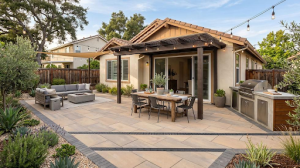
Landscape Planning: Designing Outdoor Environments To Enhance Natural Beauty And Functionality
Transforming Urban Spaces: The Art of Green Design in San Diego County
Have you ever noticed how a well-crafted urban green space can breathe new life into a bustling cityscape? It’s like discovering an oasis in the desert—suddenly, the chaos of concrete and asphalt softens, replaced by lush trees, vibrant flowers, and inviting pathways. But creating these vibrant retreats isn’t simple; it involves intricate planning, balancing environmental concerns, public safety, and aesthetic appeal. Many face the challenge of integrating sustainable landscaping with limited space, ensuring it remains functional and inviting for years to come.
Imagine trying to design a community park that not only offers a playground for children but also provides a quiet sanctuary for seniors, a space for community gatherings, and habitat for local wildlife. It’s a complex puzzle—each piece must fit perfectly to achieve harmony. That’s where expert guidance becomes invaluable. A successful design considers stormwater management, native plant use, and accessibility, all while staying within budget constraints. Without proper planning, projects risk becoming underused, overgrown, or environmentally detrimental.
But don’t worry—here’s the exciting part. California Landscape Development specializes in transforming these challenges into opportunities. Our team approaches each project with a fresh perspective, blending creativity with technical expertise. From initial concept to final installation, we handle:
- Site analysis and environmental assessment
- Design development with eco-friendly materials
- Incorporation of native and drought-tolerant plants
- Optimizing space for maximum usability and beauty
One satisfied client shared how their once-overlooked lot was transformed into a vibrant community hub that everyone enjoys. Thanks to our focus on sustainable urban design, we create spaces that flourish and inspire. Whether it’s a small pocket park or a sprawling green corridor, California Landscape Development makes urban green dreams come true, one project at a time.
California Landscape Development 11440 W Bernardo Ct STE 300, San Diego, CA 92127 +18583546742
For more information contact California Landscape Development
Native Plant Integration for San Diego County
When considering a landscape that truly thrives in San Diego County’s unique climate, selecting native plants is like finding the secret ingredient in a treasured recipe. These plants are adapted to the local soil, sun exposure, and drought patterns, making them resilient and low-maintenance. Yet, integrating them into an existing design can feel like walking a tightrope—balancing aesthetic appeal with ecological sustainability. Without a strategic approach, one might find themselves overwhelmed by the sheer variety or uncertain about how to ensure these plants flourish amidst urban development and changing weather patterns.
California Landscape Development understands the intricacies involved in native plant integration. They recognize that each site has its own story—soil type, microclimate, and surrounding landscape—all of which influence plant success. For example, a garden in Carlsbad might require different species than one in La Jolla, even if they face similar conditions. Their team employs advanced techniques such as soil amending and strategic plant positioning, ensuring that native species are not just planted but are set up for long-term vitality.
Expert Tips for Successful Native Plant Use
- Soil testing before planting can reveal deficiencies or excesses, guiding amendments that improve plant compatibility.
- Layering native plants by height creates a visually appealing landscape that mimics natural ecosystems.
- Waterwise practices, such as drip irrigation and mulching, dramatically reduce water use while supporting plant health.
Key Native Species to Consider
| Species | Characteristics | Best Use |
|---|---|---|
| Matilija Poppy | Large, white flowers, drought-tolerant | Specimen plant or focal point |
| Coast Live Oak | Shade tree, evergreen, supports local wildlife | Shade and canopy coverage |
| California Buckwheat | Colorful blooms, attracts pollinators | Ground cover or border planting |
California Landscape Development excels at weaving native plants into landscapes that are both stunning and ecologically sound. Their expertise ensures that each project not only respects San Diego County’s natural beauty but also enhances it, creating spaces where native plants can truly thrive and flourish for generations to come.
Eco-Friendly Park Layout Planning in San Diego County
Designing a park that harmonizes with the environment requires more than just aesthetic appeal; it demands a strategic approach that minimizes environmental impact while maximizing user experience. One common obstacle faced during this process is balancing natural biodiversity with human activity. Too often, traditional layouts overlook the importance of native plant species or fail to consider stormwater management, leading to unintended consequences like erosion or habitat disruption. This is where careful site analysis becomes crucial—understanding the soil composition, hydrology, and existing flora lays the foundation for a truly sustainable design.
The team at California Landscape Development understands these intricate nuances and excels at weaving eco-conscious principles into every project. They prioritize native vegetation, which not only supports local wildlife but also reduces water consumption—a vital consideration in San Diego’s semi-arid climate. Their innovative techniques include creating permeable pathways that encourage groundwater recharge and designing multi-functional green spaces that serve both ecological and recreational purposes. For example, they often incorporate rain gardens and bioswales that naturally filter runoff, preventing pollutants from reaching nearby waterways.
Expert Tips for Eco-Friendly Design
- Utilize drought-tolerant native plants to reduce water needs and support local ecosystems.
- Implement layered plantings—trees, shrubs, and ground covers—to promote biodiversity and microclimate regulation.
- Design multi-use spaces that combine recreation with habitat preservation, such as picnic areas integrated with native plantings.
- Incorporate renewable materials in construction, like recycled wood or permeable paving.
Why Choose California Landscape Development?
They understand how to navigate the delicate balance between ecological integrity and human comfort. Their expertise in sustainable site design ensures that parks not only meet today’s needs but remain resilient for future generations. From selecting the right native species to crafting eco-friendly infrastructure, their innovative strategies turn environmental challenges into opportunities for community enrichment.

Water Conservation Landscaping Strategies in San Diego County
In the arid landscapes of San Diego County, finding ways to make every drop count is essential. Many homeowners face the dilemma of achieving lush gardens without draining their water resources or racking up hefty bills. It’s like trying to fill a bucket with a leaky faucet—no matter how much water you pour in, some always slips away. The key lies in designing a landscape that embraces drought-tolerant plants, smart irrigation, and thoughtful layout choices. But knowing where to start can be overwhelming—what plants thrive with minimal water? How do you prevent runoff or water waste during the hottest months?
California Landscape Development understands these unique water conservation challenges intimately. They focus on creating sustainable landscapes that not only conserve water but also thrive in the local climate. One insider tip is to incorporate xeriscaping principles, which emphasize the use of native plants that are naturally adapted to the region’s dry conditions. Another trick involves installing drip irrigation systems—these deliver water directly to the roots, reducing evaporation and waste. Think of it as giving each plant a personalized drink, instead of watering the entire yard indiscriminately.
To maximize efficiency, consider grouping plants with similar water needs together. This prevents overwatering some species while under nourishing others. Additionally, adding mulch can significantly reduce evaporation and keep roots cool during intense summer days. Here’s a quick glance at some must-know strategies:
- Utilize native and drought-resistant plants like California poppies, succulents, and sagebrush.
- Implement smart irrigation controllers that adjust watering schedules based on weather data.
- Design with permeable surfaces to improve water absorption and reduce runoff.
Expert Tips for Water-Wise Landscaping
- Regularly check and maintain irrigation systems to prevent leaks and inefficiencies.
- Incorporate rain catchment systems to harvest seasonal rainfall and supplement water needs.
- Use permeable pathways and natural features to support water infiltration and reduce runoff.
California Landscape Development’s team turns these concepts into reality, transforming yards into resilient, water-saving paradises. They understand the importance of blending aesthetic appeal with environmental responsibility, ensuring every landscape is both beautiful and sustainable in the long run.
Innovative Landscape Design Strategies in San Diego County
San Diego County is renowned for its diverse natural beauty, vibrant communities, and year-round pleasant climate. With a population exceeding 3.3 million residents, it offers a dynamic environment for outdoor living and recreation. Visitors and locals alike enjoy its stunning beaches, scenic parks, and a wide array of cultural attractions. The region’s commitment to sustainable development and eco-friendly practices makes it a leader in innovative landscape planning, blending natural beauty with functional outdoor spaces.
They or them should contact California Landscape Development for a free consultation and advice on the topic of “Landscape Planning”.
Useful Links
Landscaping, Organisms In Landscaping, Flora, Fauna, Gardening, Landscape, Abiotic Component, Landform, Terrain, Bodies Of Water, Weather, Horticulture, Region, Topography, Soil Quality, Frost Line, Native Plant, Grading (Engineering), Earth Mover, Landfill, Soil, Bulldozers, Lawnmowers, Chainsaws, Fertilizers, Gravel, Aquascaping, Arboriculture, Ecoscaping, Horticulture, Landscape Architecture, Landscape Design, Landscape Ecology, Landscape Engineering, Landscape Planning, Landscape Archaeology, Organic Lawn Management, Naturescaping, Sustainable Landscaping, Terraforming Vs Landscpaing, Xeriscaping