
Consequences of Water Waste in San Diego’s Landscaping
Excessive water usage in landscaping can lead to a myriad of challenges, particularly in arid regions like San Diego. Homeowners and property managers often grapple with:
- Escalating utility bills due to inefficient watering practices.
- Environmental degradation caused by runoff, which can harm local ecosystems.
- Soil erosion and nutrient depletion, resulting from excessive saturation.
- Increased pests and diseases attracted to overwatered plants.
However, at California Landscape Development, we understand these hurdles and aim to transform your landscape into an oasis while conserving precious resources! Our team is dedicated to implementing innovative solutions that address these concerns:
- Utilizing smart irrigation systems that adapt to weather conditions, ensuring optimal water use.
- Designing drought-resistant landscapes that thrive with minimal water input.
- Incorporating rainwater harvesting techniques that reduce dependency on municipal supplies.
- Conducting thorough assessments to identify and rectify inefficient watering practices.
By prioritizing water efficiency, we not only enhance the beauty of your outdoor space but also contribute positively to the environment. Say goodbye to the negative repercussions of water waste and embrace a sustainable future with California Landscape Development, where we tackle the repercussions of subpar irrigation methods head-on!
California Landscape Development 11440 W Bernardo Ct STE 300, San Diego, CA 92127 +18583546742
For more information – Click Here
Soil Degradation and Its Effects on Local Flora in San Diego, CA
When irrigation techniques falter, the soil’s vitality diminishes, leading to a cascade of repercussions for the native plant life. Overwatering can cause the leaching of vital nutrients, while insufficient moisture can lead to compaction, both of which stifle root development. The imbalance in moisture levels can foster an environment conducive to weeds, which outcompete indigenous species for resources.
Understanding the intricate relationship between soil health and plant vitality is crucial for maintaining a thriving landscape. A well-balanced approach to irrigation ensures that the soil retains its essential structure and nutrients. Implementing techniques such as:
- Mulching to reduce evaporation
- Utilizing drip irrigation to target root zones
- Conducting regular soil tests to monitor pH and nutrient levels
California Landscape Development excels in transforming landscapes into resilient ecosystems. The emphasis on sustainable practices not only conserves water but also enhances soil quality, fostering a thriving habitat for local flora. By adopting adaptive irrigation methods, the team ensures that plants receive the precise amount of hydration they require, promoting robust growth.
Native plants, adapted to the regional climate, thrive when their needs align with the irrigation strategies employed. Experts recommend selecting drought-resistant species, as these plants have evolved to withstand the fluctuations in moisture typical of San Diego’s environment. This approach minimizes water usage while enhancing the ecological balance.
Impact on Local Wildlife and Ecosystems in San Diego, CA
Excessive and poorly managed watering techniques can wreak havoc on the delicate balance of local ecosystems. When landscapes are inundated with water, it can lead to soil erosion, which depletes vital nutrients and disrupts the habitat of many species. Moreover, this overflow often results in harmful runoff that carries pesticides and fertilizers into nearby waterways, affecting aquatic life.
In San Diego, the consequences are particularly pronounced due to its unique biodiversity. Native flora and fauna, adapted to specific moisture levels, may struggle to survive when the environment becomes saturated or, conversely, parched. This imbalance can lead to a decline in native plant species, which in turn affects the animals that rely on these plants for food and shelter.
- Implement drip irrigation systems to deliver water directly to the roots, minimizing evaporation and runoff.
- Utilize rain barrels to capture and store rainfall, promoting sustainable water usage.
- Incorporate native plants that require less water and are more resilient to local climate conditions.
- Regularly assess soil moisture levels to ensure adequate watering without excess.
California Landscape Development leverages innovative techniques to mitigate these issues. By employing smart irrigation technologies, we align water usage with the specific needs of the landscape, fostering a thriving environment for both plants and wildlife. Our approach not only conserves water but also promotes the health of local ecosystems, ensuring that San Diego’s natural beauty flourishes for generations to come.
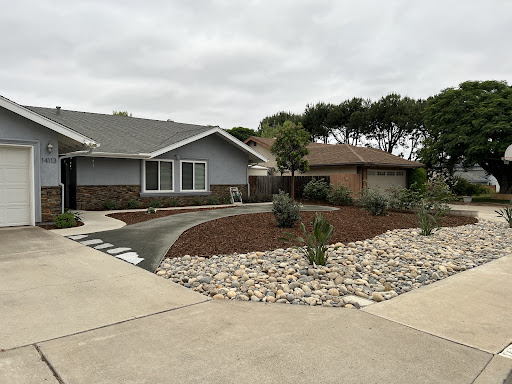
Inefficient Irrigation in San Diego: How It Inflates Landscaping Costs
Wasting water during irrigation not only squanders a precious resource but also inflates operational costs for landscaping projects. The financial repercussions can ripple through the entire ecosystem, affecting everything from plant health to local economies. When irrigation systems malfunction or are poorly designed, the consequences can be dire.
- Excess water usage increases utility bills significantly.
- Poor irrigation can lead to plant stress, requiring costly replacements.
- Overwatering may result in soil erosion, further degrading the landscape and necessitating expensive remediation efforts.
Understanding these economic factors is essential for sustainable landscape management. Choosing efficient systems, such as drip irrigation or smart controllers, can drastically reduce water waste. California Landscape Development excels in crafting tailored solutions that mitigate these financial pitfalls while promoting lush environments.
Expert Tips for Efficient Irrigation
- Implement moisture sensors to optimize watering schedules.
- Regularly inspect irrigation systems for leaks and inefficiencies.
- Utilize native plants that require less water and are more resilient to local conditions.
By embracing these practical strategies, landscaping endeavors can thrive economically and environmentally. The transformation from wasteful practices to sustainable methods not only conserves resources but also enhances the overall aesthetic and value of properties.
Sustainable Irrigation Practices in San Diego, CA
Overwatering is a prevalent issue that plagues many landscapes, leading to water wastage and unnecessary runoff. This not only depletes precious resources but also negatively affects soil health and local ecosystems. To counter this, employing techniques such as drip irrigation or soaker hoses can significantly reduce water consumption while ensuring that plants receive the moisture they need directly at their roots.
Effective Water Management Strategies
- Utilize rain sensors to prevent irrigation during wet weather.
- Implement smart controllers that adjust watering schedules based on real-time weather data.
- Opt for native plants that require less water and are well-adapted to the local climate.
- Incorporate mulch in garden beds to retain moisture and reduce evaporation.
Monitoring soil moisture levels is crucial; utilizing soil moisture sensors can provide insights into when to irrigate, ensuring that water is not applied unnecessarily. This practice not only conserves water but also promotes healthier root development.
Innovative Techniques for Efficiency
California Landscape Development champions the integration of advanced irrigation solutions. By focusing on precision watering techniques, we help to create landscapes that thrive while minimizing environmental footprints. Our team excels in designing customized irrigation systems that align with the unique topography and climate of San Diego.
- Conduct regular audits of irrigation systems to identify leaks and inefficiencies.
- Train staff on the importance of water conservation and proper irrigation management.
- Encourage the use of greywater systems to repurpose water from domestic activities.
Incorporating these best practices fosters a sustainable approach to landscaping that not only conserves water but also enhances the beauty and health of outdoor spaces.
Future Trends in Irrigation Efficiency for California Landscapes
The inefficacy of watering methods leads to significant wastage of precious resources such as water, which is particularly crucial in regions like San Diego, CA. Outdated systems often result in uneven moisture distribution, causing drought-stressed areas while others may become oversaturated. This imbalance not only strains the local ecosystem but also increases the carbon footprint due to the unnecessary energy consumption involved in pumping excess water.
California Landscape Development employs advanced techniques to mitigate these issues. By leveraging precision irrigation technologies, such as drip systems and smart controllers, the company ensures that water is delivered exactly where it’s needed, minimizing evaporation and runoff. Here’s how the future of irrigation efficiency unfolds:
- Soil Moisture Sensors: Integrating sensors that gauge soil hydration levels allows for real-time adjustments, ensuring optimal moisture without excess.
- Weather-Based Controllers: Utilizing climatic data to adjust watering schedules prevents over-irrigation during rainy periods.
- Native Plant Selection: Choosing drought-resistant flora not only reduces water dependency but also enhances local biodiversity.
- Rainwater Harvesting: Capturing and utilizing rainwater can significantly reduce reliance on municipal water sources.
Innovative irrigation designs incorporate advanced materials that enhance durability and efficiency. For instance, using porous pipes can facilitate even water distribution while preventing wastage. Furthermore, understanding the unique microclimates within a landscape allows for tailored irrigation strategies that optimize water use.
Even simple adjustments can yield remarkable improvements. Regularly checking and maintaining irrigation systems can prevent leaks and inefficiencies, keeping landscapes flourishing while safeguarding the environment.
Thank you for taking the time to explore the environmental impacts of inefficient irrigation practices. At California Landscape Development, we understand the importance of sustainable landscaping and water conservation. If you have questions or need expert advice on how to improve your irrigation methods, we invite you to reach out to us for a free consultation. Together, we can work towards more efficient, eco-friendly solutions that benefit both your landscape and the environment. Your journey towards sustainable irrigation starts with a simple conversation, so don’t hesitate to contact us today!


