
Artificial Turf in San Diego: Environmental Impact & Benefits
Environmental Advantages of Artificial Turf in San Diego, CA
When considering the shift to synthetic grass, individuals often grapple with concerns regarding sustainability and ecological footprint. Traditional lawns demand extensive water resources, chemical fertilizers, and consistent upkeep, which can lead to environmental degradation. The high maintenance associated with natural grass can be taxing on both time and finances, not to mention its impact on local ecosystems.
However, the transition to artificial turf presents a remarkable array of ecological benefits, particularly in the sun-drenched region of San Diego. Here’s how California Landscape Development addresses these environmental considerations and more:
- Water Conservation: Our synthetic solutions significantly reduce water consumption, making them ideal for arid climates.
- Pesticide Reduction: Say goodbye to harmful chemicals; our turf eliminates the need for pesticides and herbicides, promoting a healthier environment.
- Soil Preservation: With no soil disturbance, we help maintain the integrity of your land, protecting local flora and fauna.
- Durability: Our turf products are designed to withstand heavy use while minimizing waste, lasting for years without replacement.
- Carbon Footprint: By reducing the need for gas-powered lawn equipment, we contribute to lower emissions in your neighborhood.
At California Landscape Development, we are thrilled to offer eco-friendly options that not only alleviate environmental concerns but also enhance the beauty and functionality of your outdoor spaces. Embrace a greener, more sustainable future with our premium artificial grass solutions!
California Landscape Development 11440 W Bernardo Ct STE 300, San Diego, CA 92127 +18583546742
For more information – Click Here
Potential Drawbacks of Synthetic Grass in Landscaping in San Diego, CA
While synthetic turf can offer a lush, green aesthetic, it also raises environmental concerns. One significant aspect is the heat retention of artificial lawns. During sunny days, these surfaces can absorb and radiate heat, creating an uncomfortable microclimate. This effect can lead to increased temperatures in surrounding areas, making outdoor spaces less enjoyable.
Another factor to consider is the runoff from rainwater. Unlike natural grass, which absorbs rain and helps filter pollutants, artificial turf can exacerbate flooding issues. Water tends to flow off these surfaces, carrying contaminants into storm drains and local waterways, potentially harming ecosystems.
- Natural grass provides a habitat for beneficial insects and wildlife.
- The production process of synthetic turf involves plastics, contributing to pollution.
- Disposal of worn-out turf presents a challenge, as it is not biodegradable.
California Landscape Development recognizes these potential impacts and prioritizes eco-friendly solutions. By incorporating permeable materials and designing landscapes that promote natural water absorption, the firm mitigates the adverse effects associated with synthetic lawns. Moreover, utilizing native plants not only enhances biodiversity but also conserves water, providing a sustainable alternative to traditional grass.
Some expert tips for minimizing environmental impact include:
- Opt for permeable pavers to improve drainage.
- Incorporate rain gardens to absorb excess water.
- Choose drought-resistant plants to reduce water consumption.
The pursuit of a beautiful landscape need not compromise environmental integrity. Embracing innovative techniques can turn potential drawbacks into opportunities for sustainable landscaping.
Water Conservation Effects of Artificial Turf in San Diego, CA
In regions characterized by low precipitation, such as San Diego, the demand for water conservation has reached a critical juncture. Traditional grass lawns require substantial irrigation, leading to a significant drain on local water supplies. In contrast, synthetic grass offers a revolutionary alternative, dramatically reducing the necessity for frequent watering. This transformation not only conserves precious resources but also helps mitigate the impact of drought conditions.
California Landscape Development recognizes the importance of sustainable landscaping solutions. By opting for artificial turf, homeowners can enjoy lush, green spaces without the guilt of contributing to water shortages. Here are some compelling benefits of this eco-friendly choice:
- Elimination of irrigation needs, saving thousands of gallons of water annually.
- Reduction of runoff pollution, as there is no need for fertilizers or pesticides commonly used in natural grass care.
- Enhanced durability, allowing for year-round enjoyment without the seasonal constraints of traditional lawns.
Moreover, utilizing artificial grass can lead to a decrease in energy consumption associated with water pumping and treatment processes. Homeowners can also take advantage of local rebates and incentives aimed at promoting water-efficient landscaping practices.
Incorporating artificial turf into landscaping designs leads to a more sustainable and visually appealing environment. By embracing this innovative approach, residents can contribute positively to their community while enjoying the aesthetic benefits of a vibrant landscape.
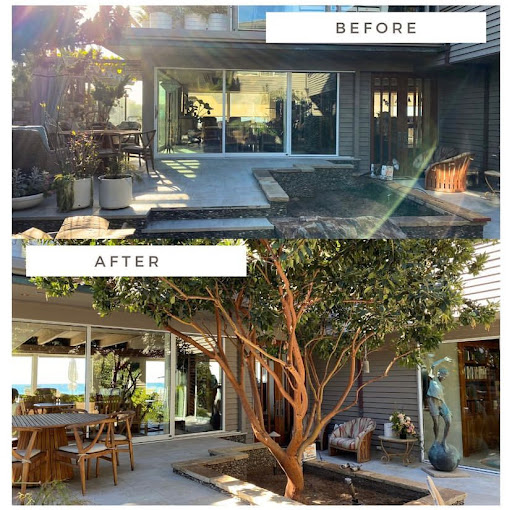
Impact on Local Wildlife and Biodiversity in San Diego, CA
Artificial turf, while presenting an appealing alternative to traditional grass, can significantly alter local ecosystems. The shift from natural landscapes to synthetic surfaces can disrupt habitats, affecting everything from small insects to larger mammals. The hard, impermeable nature of turf limits the natural processes that support biodiversity, such as water absorption and soil aeration.
Consider the following aspects of how these synthetic lawns can influence wildlife:
- Habitat Disruption: The installation of artificial grass often involves the removal of native plants, which serve as food and shelter for numerous species.
- Pollinator Decline: Native plants attract pollinators vital for maintaining ecological balance. Replacing them with turf can lead to a decrease in these essential insect populations.
- Soil Health: Unlike natural grass that contributes to soil enrichment through decomposition, artificial surfaces do not support microbial life, diminishing soil health.
- Water Runoff: With turf’s inability to absorb water, runoff can increase, leading to erosion and potential water quality issues in nearby streams and rivers.
California Landscape Development recognizes the importance of maintaining local ecosystems while providing aesthetically pleasing landscapes. By integrating native plants and sustainable practices alongside artificial turf installations, it’s possible to create spaces that are both beautiful and environmentally friendly. Consider these strategies:
- Incorporate native plant species around turf areas to provide habitats for wildlife.
- Designate zones within your landscape that prioritize biodiversity, including flowering plants that attract pollinators.
- Utilize permeable materials in hardscaping to enhance water absorption and reduce runoff.
- Implement rain gardens to filter and manage stormwater effectively.
Emphasizing a harmonious relationship between artificial surfaces and natural ecosystems can lead to thriving landscapes that benefit both aesthetics and biodiversity.
Recycling and Disposal Challenges of Artificial Turf in San Diego, CA
The disposal of artificial grass presents a significant hurdle for many landscapes. With its composite materials, predominantly made of polyethylene and rubber infill, this synthetic ground cover is not easily biodegradable. Landfills are often overwhelmed with these products, contributing to an escalating waste crisis. Notably, traditional turf can take centuries to decompose, which raises pressing environmental concerns.
California Landscape Development prioritizes sustainable practices, ensuring responsible disposal and recycling methods for outdated turf. Our team is equipped with innovative solutions to mitigate the ecological footprint associated with synthetic landscapes. Here are some insights that can guide effective management:
- Recycling Facilities: Seek out local recycling centers that specifically handle synthetic turf. Many municipalities are beginning to adopt programs tailored to repurpose these materials.
- Repurposing Opportunities: Consider transforming artificial turf into playground surfaces or erosion control mats, extending its life cycle and reducing waste.
- Composite Material Breakdown: Understand that while polyethylene can be recycled, the rubber infill often complicates the process. It’s essential to separate these components for efficient recycling.
- Community Awareness: Engage in community initiatives that advocate for sustainable landscaping practices. Education plays a crucial role in fostering environmentally conscious behaviors.
Our commitment to the environment is unwavering. By embracing eco-friendly approaches and promoting sustainable practices, California Landscape Development aims to revolutionize how artificial turf is managed, ensuring that landscapes remain vibrant without compromising the planet.
Long-Term Sustainability of Artificial Turf Solutions in San Diego, CA
The environmental footprint of synthetic turf can be a point of contention, particularly concerning heat retention and drainage. Unlike natural lawns, artificial grass can absorb and retain heat, creating a microclimate that may lead to elevated temperatures in surrounding areas. This can exacerbate local heat island effects, especially in urban settings.
Moreover, water runoff is a crucial consideration. Natural landscapes effectively filter rainwater, while synthetic surfaces may lead to increased surface runoff, potentially polluting local waterways. However, with proper installation techniques and drainage solutions, these effects can be mitigated effectively.
- Incorporating permeable base materials can enhance drainage and reduce runoff.
- Utilizing infill made from recycled materials contributes to a circular economy.
- Regular maintenance of the turf surface can prevent the accumulation of debris and pollutants.
California Landscape Development recognizes the nuances of sustainable practices in landscaping. With a focus on eco-friendliness, they employ advanced installation strategies that prioritize both aesthetics and environmental health. By offering tailored solutions, they enhance the longevity of artificial grass while minimizing its ecological impact.
Expert Tips for Sustainable Synthetic Turf Management
- Choose infill options that enhance drainage and reduce heat absorption.
- Implement a maintenance schedule to keep the surface clean and functional.
- Consider integrating native plantings around the turf to support local biodiversity.
Incorporating these practices ensures that artificial grass remains a viable, environmentally-conscious choice for landscaping in the vibrant climate of San Diego.
Thank you for exploring the impact of artificial turf on the environment with us. At California Landscape Development, we believe in empowering our clients with knowledge and insights to make informed decisions about their landscaping choices. If you have further questions or would like personalized advice regarding artificial turf and its environmental implications, we invite you to reach out for a free consultation. Our team is dedicated to providing expert guidance tailored to your needs, ensuring that you can create a beautiful and sustainable outdoor space. Let us help you navigate this important topic—contact us today!


