
Common Structural Failures of Retaining Walls in San Diego, CA
Over time, retaining walls can experience a variety of structural challenges that may compromise their integrity and functionality. Homeowners in San Diego often face issues such as:
- Soil Erosion: Gradual deterioration of the soil behind the wall can lead to shifting and eventual collapse.
- Water Accumulation: Inadequate drainage systems can cause water to pool, exerting excessive pressure on the wall.
- Cracking: Temperature fluctuations and settling can result in unsightly fissures and structural weaknesses.
- Overloading: Improperly placed heavy materials can strain the wall beyond its intended capacity.
But worry not, because California Landscape Development is here to address all of these challenges with expertise and precision! Our skilled team provides comprehensive assessments and tailored solutions to ensure your retaining walls stand strong against the test of time.
Here’s how we tackle the most prevalent issues:
- Thorough Inspection: We meticulously examine every inch of your wall for early signs of distress.
- Effective Drainage Solutions: Our innovative designs promote water flow, minimizing pressure buildup.
- Crack Repair: We utilize advanced materials and techniques to restore integrity and aesthetic appeal.
- Load Management: By reinforcing and redistributing weight, we ensure stability and longevity.
With our dedicated approach, you can rest easy knowing that your landscape features are in capable hands. Let’s transform potential pitfalls into robust solutions together!
California Landscape Development 11440 W Bernardo Ct STE 300, San Diego, CA 92127 +18583546742
For more information – Click Here
Signs of Soil Erosion Impacting Retaining Walls in San Diego, CA
Gradual degradation of the earth surrounding retaining structures can spell trouble for homeowners. One of the most telling indicators is the appearance of cracks along the wall surface. These fissures often signal shifting soil, a direct result of water runoff or drainage issues. If you notice any bulging or leaning in your wall, it may be time to take a closer look at the underlying earth.
Moreover, the formation of puddles or water pooling at the base can exacerbate erosion. This excess moisture can wash away the soil that supports the wall, leading to instability. Observing changes in plant health near the foundation is another clue; wilting or dying vegetation might indicate compromised soil integrity.
- Look for uneven ground or settling near the wall.
- Monitor for excessive growth of moss or algae, which can thrive in damp conditions.
- Check for soil displacement or visible voids near the base of the wall.
Addressing these issues promptly can prevent larger setbacks down the line. California Landscape Development excels in identifying and remedying these concerns. Utilizing advanced drainage solutions and reinforcement techniques, we ensure that your retaining walls remain sturdy and reliable. Our seasoned experts recommend regular inspections to catch early signs of erosion, allowing for timely interventions.
Implementing proper landscaping practices, like installing ground cover plants and using mulch, can also diminish erosion risks. These strategies not only protect the integrity of the wall but enhance the overall beauty of your outdoor space. Trust in our expertise to keep your landscape thriving.
Water Drainage Issues and Damage to San Diego, CA Retaining Walls
The accumulation of moisture behind retaining structures can lead to significant complications over time. Excess water pressure can cause these barriers to shift, bow, or even collapse under the weight of saturated soil. This situation not only threatens the integrity of the wall but can also lead to unsightly landscape erosion.
Proper drainage solutions are vital for maintaining the stability of these installations. Here are some expert insights to ensure your retaining wall stands the test of time:
- Incorporate weep holes: These small openings allow water to escape, preventing hydrostatic pressure buildup.
- Opt for permeable backfill: Using gravel or similar materials encourages water to flow through rather than pooling behind the wall.
- Regular inspections: Look for cracks or bulging sections, which could indicate water-related problems that need immediate attention.
California Landscape Development excels in creating and implementing effective drainage systems tailored for your unique landscape needs. Understanding the nuances of soil composition and topography in San Diego allows for optimized designs that prevent water from becoming a foe.
Consider these proactive measures:
- Install a French drain system to divert water away from the wall.
- Employ landscaping techniques that promote proper water runoff, such as sloping the terrain away from the structure.
- Regularly maintain gutters and downspouts to ensure they are functioning effectively.
Addressing water drainage is paramount in safeguarding your investment in retaining walls. With the right strategies, the longevity and stability of these essential landscaping elements can be significantly enhanced.
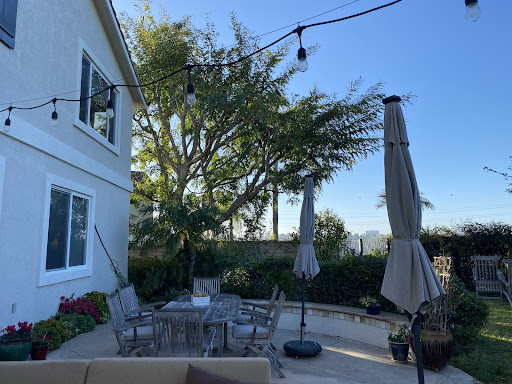
San Diego, CA: The Role of Vegetation in Retaining Wall Stability
Over time, vegetation plays a pivotal part in the integrity of retaining structures. Roots can penetrate soil, creating a network that both stabilizes and complicates the surrounding earth. This interaction can lead to unforeseen shifts if not properly managed.
On the flip side, lush greenery can enhance drainage and mitigate erosion, acting as a natural barrier against heavy rainfall. However, if left unchecked, aggressive root systems may compromise the wall’s composition, leading to cracks and bulges. Here are some valuable insights for optimal vegetation management:
- Choose deep-rooted plants that can anchor the soil without overwhelming the structure.
- Regularly prune and monitor plant growth to prevent excessive root expansion.
- Implement a proper drainage system to channel excess water away from the wall.
- Utilize cover crops that can improve soil quality and prevent erosion.
California Landscape Development recognizes the intricate balance between flora and retaining structures. Our expertise ensures that your landscaping harmonizes with the engineering aspects of your property. By selecting the right vegetation and monitoring its growth, we can help maintain the durability of your retaining walls while enhancing the aesthetic appeal of your outdoor space.
Material Degradation Over Time in San Diego’s Climate
With the relentless sun and occasional heavy downpours characteristic of San Diego, retaining walls face a unique set of wear and tear. Natural stone can develop cracks due to thermal expansion, while concrete may succumb to spalling, where the surface begins to flake and crumble. Over time, the integrity of these structures can be compromised, leading to unsightly bulges or even collapse.
Soil erosion often follows closely behind material decay. As moisture seeps through the wall, it can wash away the supporting earth, creating voids and destabilizing the entire setup. This phenomenon is not just a visual concern; it can threaten the safety and durability of the landscape.
To enhance longevity and performance, consider the following expert insights:
- Incorporate weep holes to allow drainage and reduce hydrostatic pressure.
- Utilize landscape fabric behind the wall to deter soil infiltration while permitting water flow.
- Choose materials specifically designed for high-UV exposure, ensuring they withstand the sun’s intensity.
- Implement regular inspections to identify early signs of distress, such as cracking or tilting.
California Landscape Development excels in addressing these issues with tailored solutions. By employing advanced techniques and high-quality materials, the team ensures every retaining wall stands resilient against the elements. The expertise lies in knowing what San Diego’s climate demands and responding proactively to material degradation, preserving the beauty and stability of your outdoor space.
Retaining Walls in San Diego, CA: Preventative Measures for Longevity
A prevalent concern with earth-retaining structures is the accumulation of moisture behind the wall. When water seeps through the soil, it can lead to hydrostatic pressure, often resulting in bulging or cracking. Employing a proper drainage system is paramount. Utilizing perforated pipes at the base can significantly alleviate this pressure, ensuring that water is directed away from the wall.
Another factor to consider is soil erosion, which can undermine the structural integrity of your retaining wall. Regular inspections of the surrounding landscape are essential. Reinforcing the soil with vegetation can create a natural barrier. Deep-rooted plants not only enhance aesthetics but also stabilize the soil, preventing it from washing away.
- Install a gravel backfill to encourage drainage.
- Regularly inspect and clear debris from drainage systems.
- Consider using geogrid reinforcement for added stability.
Soil movement due to freeze-thaw cycles can also pose risks. In regions like San Diego, where temperature fluctuations may occur, ensuring the wall’s foundation is below the frost line can mitigate this issue. Additionally, incorporating flexible materials can accommodate any minor shifts without compromising the wall’s structural soundness.
California Landscape Development excels in addressing these intricate details, ensuring your retaining wall remains resilient against the test of time. With a keen understanding of local conditions, we provide tailored solutions that not only enhance functionality but also elevate the beauty of your landscape.
Thank you for taking the time to explore the important topic of retaining walls and their potential issues over time. At California Landscape Development, we understand how crucial it is to ensure the longevity and stability of your landscape features. If you have questions or need guidance on maintaining or addressing any concerns with your retaining walls, we invite you to reach out for a free consultation. Our team of experts is here to provide you with valuable insights and advice tailored to your specific needs. Don’t hesitate to contact us and take the first step toward a more resilient landscape.


