
Understanding the Significance of Adequate Drainage in Retaining Walls
Water accumulation behind a retaining structure can lead to significant complications. Without effective drainage, hydrostatic pressure may build up, leading to potential structural failures. Common concerns include:
- Soil erosion weakening the wall’s integrity
- Increased maintenance costs due to water damage
- Unsightly pooling of water that hampers landscape aesthetics
Fortunately, California Landscape Development excels at addressing these challenges, ensuring that your landscape remains stunning and structurally sound. Our approach includes:
- Comprehensive Site Analysis: We evaluate the topography and soil composition to devise a tailored drainage strategy.
- Installation of Drainage Systems: We incorporate perforated pipes and gravel backfill, facilitating the smooth flow of water away from the wall.
- Regular Inspections: Our proactive assessments help catch potential issues before they escalate.
- Expert Advice: We provide guidance on planting and landscaping options that enhance drainage efficiency.
By prioritizing proper drainage behind retaining walls, you can prevent damage and extend the lifespan of your outdoor features. Our dedicated team is enthusiastic about ensuring your landscaping dreams are realized with impeccable drainage solutions, allowing your property to thrive!
California Landscape Development 11440 W Bernardo Ct STE 300, San Diego, CA 92127 +18583546742
For more information – Click Here
Effective Drainage Solutions for Retaining Walls in San Diego, CA
Properly managing water flow behind a retaining wall is crucial to avoid structural deterioration and soil erosion. A well-designed drainage system not only preserves the integrity of the wall but also enhances the overall landscape aesthetic. Utilizing a combination of techniques can significantly mitigate the risk of water accumulation.
- French Drains: These systems consist of perforated pipes within a gravel trench, directing water away from the wall effectively.
- Weep Holes: Strategically placed openings in the wall allow trapped water to escape, reducing pressure and safeguarding against cracks.
- Grading: Ensuring the ground slopes away from the wall channelizes water runoff, preventing pooling near the foundation.
- Drainage Mats: Installing geotextile fabrics behind the wall can help filter debris while allowing water to flow freely.
California Landscape Development employs a tailored approach to ensure optimal drainage solutions. By assessing site-specific conditions, our team devises strategies that integrate seamlessly with the landscape. Whether it’s enhancing soil permeability or creating natural swales, we prioritize longevity and performance.
Expert Tips for Drainage Optimization
- Regularly inspect drainage systems for blockages or sediment buildup.
- Consider the impact of nearby vegetation; roots can interfere with drainage lines.
- Utilize native plants around the retaining wall to improve water absorption and stabilization.
- Implement downspout extensions to redirect roof runoff away from the wall.
Incorporating these drainage methods not only protects your investment but also contributes to a flourishing landscape. Trust in expert knowledge to navigate water management, ensuring your outdoor space remains vibrant and resilient against the elements.
Designing Optimal Drainage Behind Retaining Walls in San Diego
Water accumulation behind retaining structures poses a significant risk to their integrity, leading to potential soil erosion and structural failure. Implementing a robust drainage system is crucial in safeguarding against these adverse effects. Properly designed drainage not only alleviates pressure on the wall but also promotes longevity.
Utilizing a combination of methods can enhance water management:
- Weep Holes: Small openings at the base allow trapped water to escape, reducing hydrostatic pressure.
- Drainage Pipes: Strategically placed perforated pipes can channel excess water away from the wall’s foundation.
- Gravel Backfill: This aids in creating a porous environment, enabling water to flow freely while preventing soil compaction.
- Filter Fabric: Using geotextiles can prevent sediment from clogging drainage systems, ensuring continuous flow.
Incorporating a well-planned slope behind the wall enhances gravitational water flow, directing it away from the structure. The angle of the slope should ideally be around 2% to ensure effective runoff without overwhelming the drainage system.
California Landscape Development excels in tailoring drainage solutions that cater specifically to the unique topography and climate of San Diego. Our expertise enables us to engineer systems that not only mitigate water intrusion but also enhance the aesthetic appeal of your landscape. By prioritizing these essential features, we create resilient outdoor spaces ready to withstand the test of time.
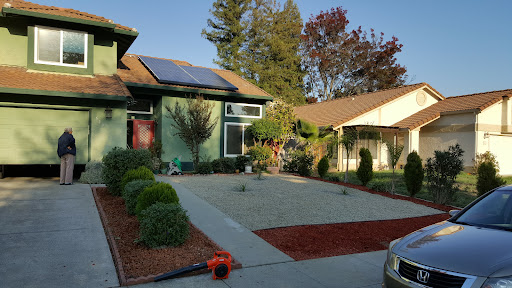
Materials and Techniques for Optimal Water Management in San Diego, CA
Utilizing the right components is essential for successful moisture control behind a retaining structure. A layered approach, featuring various materials, can significantly enhance the drainage capabilities. Begin with gravel or crushed stone as a base; these materials facilitate water movement while allowing air to circulate, preventing unwanted pressure buildup.
Integrating perforated drainage pipes at the base is a game-changer. These tubes collect and redirect excess moisture, ensuring that it doesn’t compromise the wall’s integrity. When strategically placed, they create a reliable pathway for water to escape.
- Geotextiles: Employing these fabrics can prevent soil from clogging drainage systems. They act as a barrier, allowing water to flow through while keeping sediment in check.
- Crushed Stone Layers: Implementing varied sizes of aggregates helps to create a natural filtration system. Larger stones on the outside promote drainage, while finer materials fill gaps.
- Backfill Techniques: Properly compacted backfill enhances stability and directs water flow. Opt for a well-graded mixture to maximize drainage efficiency.
With a keen understanding of local soil types and climatic conditions, California Landscape Development employs innovative strategies to combat water accumulation. The team expertly tailors solutions that align with the unique landscape of San Diego, ensuring longevity and resilience against moisture-related issues.
Preventative measures can go a long way. Regular inspections, coupled with timely maintenance, can effectively mitigate potential water intrusion. By prioritizing strategic materials and techniques, homeowners can enjoy the beauty of their landscapes while safeguarding their investments.
Signs of Poor Drainage and Water Damage Risks in San Diego, CA
Identifying the red flags of inadequate water management is crucial for maintaining the integrity of retaining walls. Look out for:
- Pooling Water: If you notice standing water near the wall, it’s a clear indicator that drainage systems may not be functioning properly.
- Soil Erosion: Unstable soil or noticeable washouts around the base can signify excessive runoff, potentially compromising the wall’s stability.
- Cracks and Settling: Horizontal or vertical fissures in the wall suggest pressure from accumulated moisture, necessitating immediate attention.
- Mold Growth: The presence of mildew or mold indicates prolonged wet conditions, which can lead to structural issues.
Waterlogged soil exerts immense pressure on retaining walls, risking their structural integrity. Employing proper drainage techniques is essential to mitigate these risks. California Landscape Development excels in implementing effective solutions tailored to unique landscapes. Grading the land to direct water away from the wall is vital; this can be combined with:
- French Drains: These systems effectively channel excess water away.
- Weep Holes: Installing these allows for natural drainage, enabling moisture to escape.
- Drainage Mats: Utilizing geotextiles helps filter soil while allowing water to flow freely.
Incorporating these strategies not only enhances the durability of retaining walls but also fosters a healthy outdoor environment. Understanding the nuances of soil types and water flow can make all the difference in preventing water-related issues.
Designing Optimal Drainage Behind Retaining Walls in San Diego
Ensuring effective water movement behind a barrier is crucial for the longevity of your landscaping features. Inadequate drainage can lead to the accumulation of moisture, which may compromise the integrity of the wall, resulting in structural failures or unsightly erosion over time. Expert installation techniques are essential to circumvent these predicaments.
Incorporating proper drainage solutions can significantly mitigate the potential for water-related dilemmas. Utilizing a combination of these strategies will enhance performance:
- Weep Holes: Small openings in the wall allow trapped moisture to escape, preventing pressure build-up.
- Backfill Materials: Employing coarse aggregates such as gravel facilitates rapid drainage, reducing saturation around the structure.
- Drainage Pipes: Installing perforated piping behind the wall directs water away from the foundation, minimizing stagnant water.
- Filter Fabric: This geotextile layer prevents soil intrusion into drainage systems, ensuring unobstructed flow.
California Landscape Development excels in implementing these advanced techniques to guarantee that your retaining walls withstand the test of time. Our seasoned professionals employ cutting-edge methods tailored to the unique topography and climate conditions of San Diego, CA. The integration of strategic landscaping elements not only enhances aesthetics but also promotes natural water management.
Additionally, understanding soil composition is paramount. Sandy soils allow for quick drainage, while clay retains moisture. Tailoring the drainage plan to the specific soil type can optimize effectiveness. Regular assessments of the drainage system will ensure that it continues to function efficiently, safeguarding your investment and enhancing the beauty of your outdoor spaces.
In conclusion, ensuring proper drainage behind a retaining wall is crucial for preventing water damage and maintaining the integrity of your landscape. At California Landscape Development, we understand the complexities involved in effective drainage solutions. We invite you to reach out to us for a free consultation, where our team of experts can provide you with tailored advice and strategies to address your specific needs. Don’t let water issues compromise your investment—contact us today and let us help you create a resilient landscape that stands the test of time.


